Analytic Philosophy and Avicenna: Knowing the Unknown
Mohammad Azadpur
Hardback
9780367434229
This work engages in a constructive, yet subtle, dialogue with the nuanced accounts of sensory intentionality and empirical knowledge offered by the Islamic philosopher Avicenna.
This discourse has two main objectives: (1) providing an interpretation of Avicenna’s epistemology that avoids reading him as a precursor to British empiricists or as a full-fledged emanatist and (2) bringing light to the importance of Avicenna’s account of experience to relevant contemporary Anglo-American discussions in epistemology and metaphysics. These two objectives are interconnected. Anglo-American philosophy provides the framework for a novel reading of Avicenna on knowledge and reality, and the latter, in turn, contributes to adjusting some aspects of the former.
Advancing the Avicennian perspective on contemporary analytic discourse, this volume is a key resource for researchers and students interested in comparative and analytic epistemology and metaphysics as well as Islamic philosophy.
Contents:
Introduction: Avicenna and the Sellarsian Account of Experience
1. Sellars on the Empirical Grounds of Knowledge
2. Sellars on the Pseudo-intentionality of the Senses
3. Perennial Philosophy: Against Scientism and Reason-nature Dualism
4. Avicenna’s Empiricism: Meno’s Dilemma and the Sensory Grounds of Knowledge
5. The Mind’s Involvement in Sense Perception: Avicenna on Sensory Intentionality and the Unity of Being
Conclusion: On Avicenna and the so-called Common Medieval View
Product Information
Product Information
Shipping & Returns
Shipping & Returns
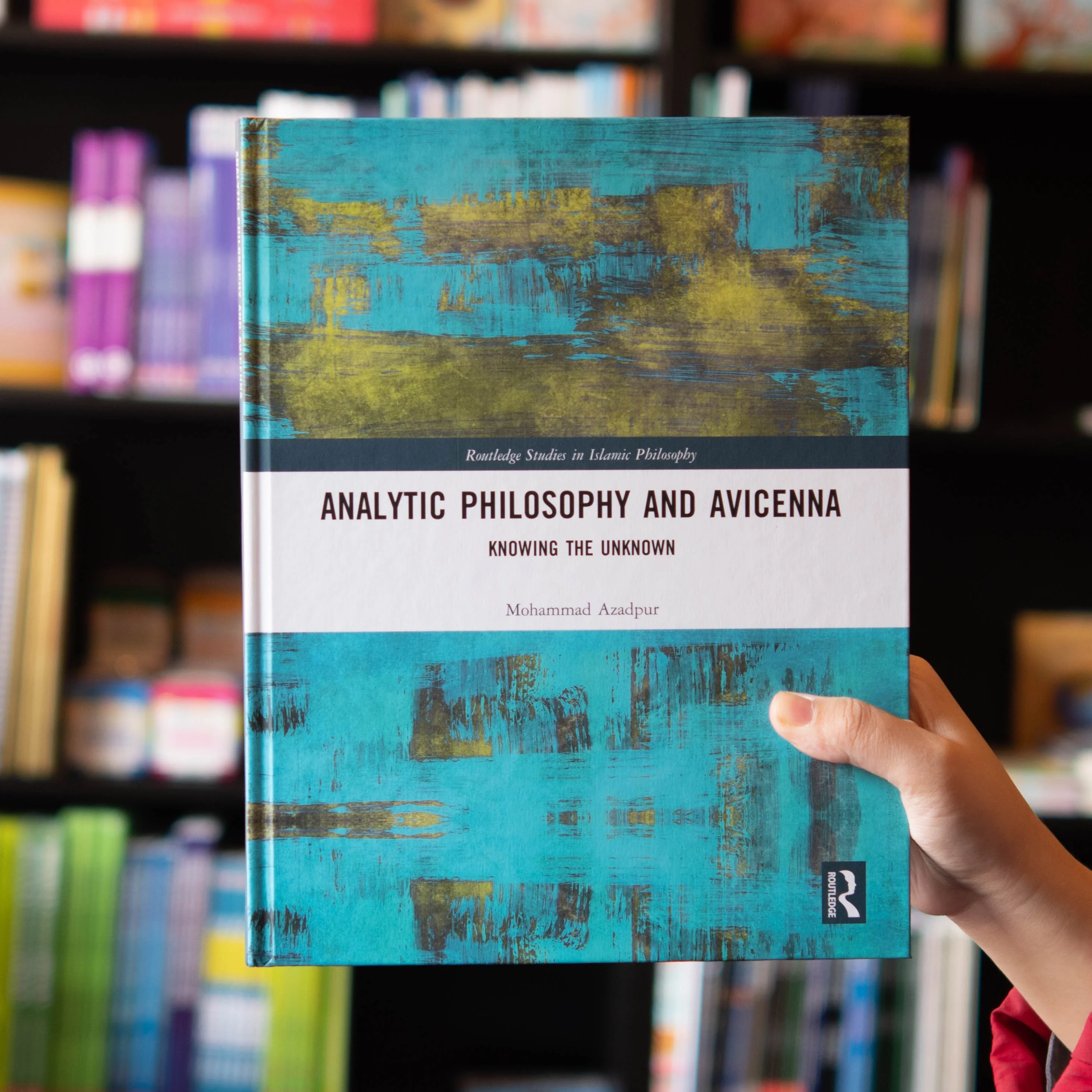
Analytic Philosophy and Avicenna: Knowing the Unknown
Analytic Philosophy and Avicenna: Knowing the Unknown
Mohammad Azadpur
Hardback
9780367434229
This work engages in a constructive, yet subtle, dialogue with the nuanced accounts of sensory intentionality and empirical knowledge offered by the Islamic philosopher Avicenna.
This discourse has two main objectives: (1) providing an interpretation of Avicenna’s epistemology that avoids reading him as a precursor to British empiricists or as a full-fledged emanatist and (2) bringing light to the importance of Avicenna’s account of experience to relevant contemporary Anglo-American discussions in epistemology and metaphysics. These two objectives are interconnected. Anglo-American philosophy provides the framework for a novel reading of Avicenna on knowledge and reality, and the latter, in turn, contributes to adjusting some aspects of the former.
Advancing the Avicennian perspective on contemporary analytic discourse, this volume is a key resource for researchers and students interested in comparative and analytic epistemology and metaphysics as well as Islamic philosophy.
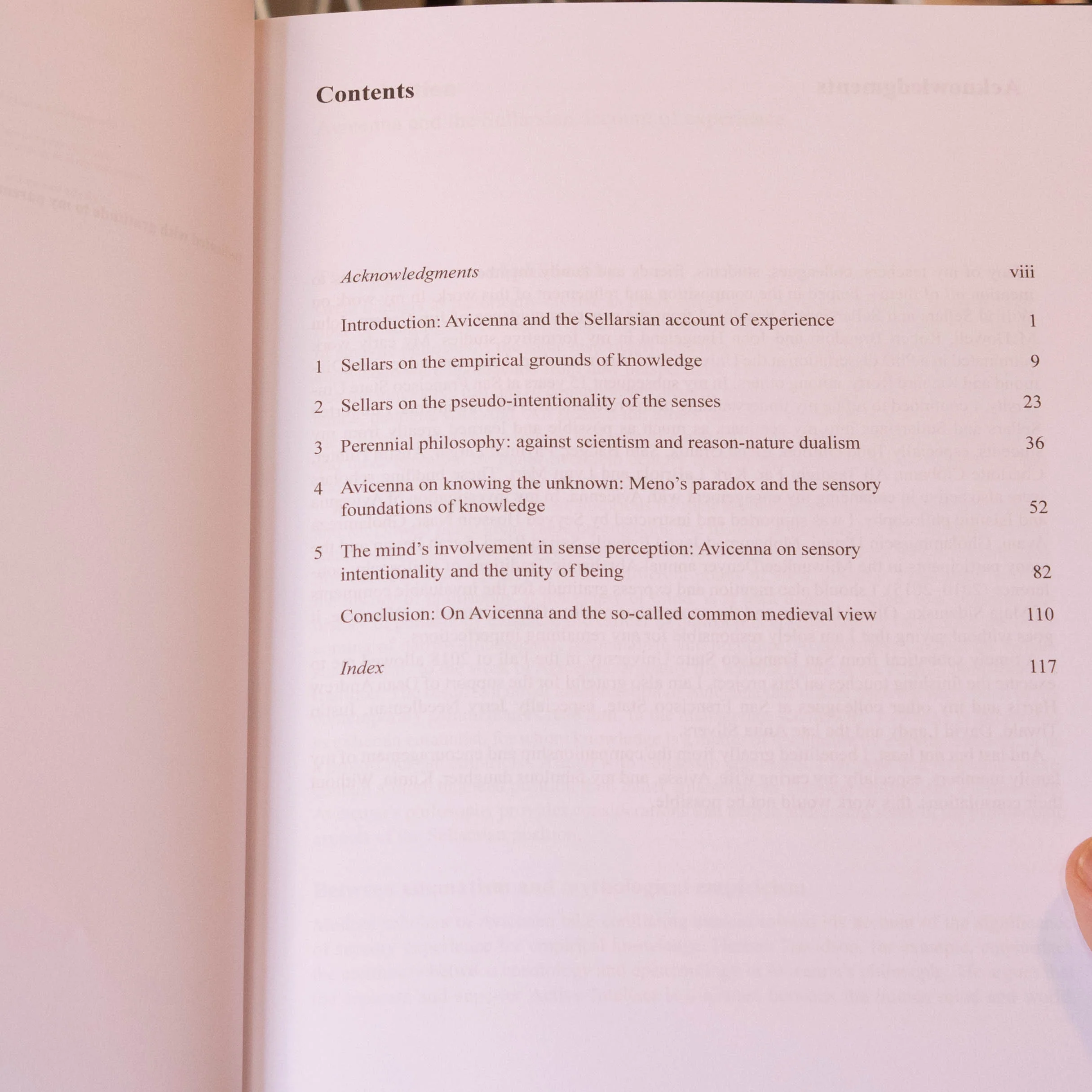
Contents:
Introduction: Avicenna and the Sellarsian Account of Experience
1. Sellars on the Empirical Grounds of Knowledge
2. Sellars on the Pseudo-intentionality of the Senses
3. Perennial Philosophy: Against Scientism and Reason-nature Dualism
4. Avicenna’s Empiricism: Meno’s Dilemma and the Sensory Grounds of Knowledge
5. The Mind’s Involvement in Sense Perception: Avicenna on Sensory Intentionality and the Unity of Being
Conclusion: On Avicenna and the so-called Common Medieval View
Product Information
Product Information
Shipping & Returns
Shipping & Returns
Description
Mohammad Azadpur
Hardback
9780367434229
This work engages in a constructive, yet subtle, dialogue with the nuanced accounts of sensory intentionality and empirical knowledge offered by the Islamic philosopher Avicenna.
This discourse has two main objectives: (1) providing an interpretation of Avicenna’s epistemology that avoids reading him as a precursor to British empiricists or as a full-fledged emanatist and (2) bringing light to the importance of Avicenna’s account of experience to relevant contemporary Anglo-American discussions in epistemology and metaphysics. These two objectives are interconnected. Anglo-American philosophy provides the framework for a novel reading of Avicenna on knowledge and reality, and the latter, in turn, contributes to adjusting some aspects of the former.
Advancing the Avicennian perspective on contemporary analytic discourse, this volume is a key resource for researchers and students interested in comparative and analytic epistemology and metaphysics as well as Islamic philosophy.
Contents:
Introduction: Avicenna and the Sellarsian Account of Experience
1. Sellars on the Empirical Grounds of Knowledge
2. Sellars on the Pseudo-intentionality of the Senses
3. Perennial Philosophy: Against Scientism and Reason-nature Dualism
4. Avicenna’s Empiricism: Meno’s Dilemma and the Sensory Grounds of Knowledge
5. The Mind’s Involvement in Sense Perception: Avicenna on Sensory Intentionality and the Unity of Being
Conclusion: On Avicenna and the so-called Common Medieval View