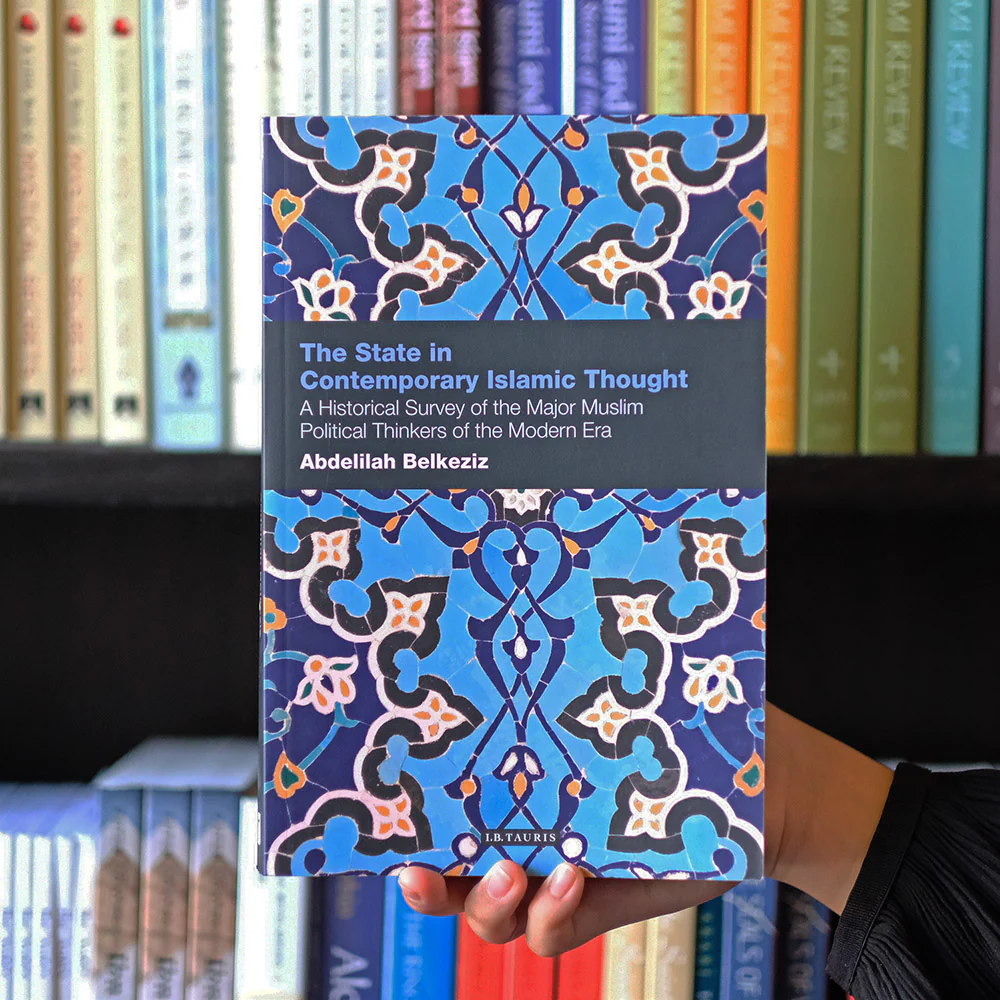
Knowledge in Later Islamic Philosophy
Ibrahim Kalin
Hardback, 344 pages
9780199735242
Mulla Sadra on Existence, Intellect, and Intuition
This study looks at how the seventeenth-century philosopher Sadr al-Din al-Shirazi, known as Mulla Sadra, attempted to reconcile the three major forms of knowledge in Islamic philosophical discourses: revelation (Qur'an), demonstration (burhan), and gnosis or intuitive knowledge ('irfan). In his grand synthesis, which he calls the 'Transcendent Wisdom', Mulla Sadra bases his epistemological considerations on a robust analysis of existence and its modalities. His key claim that knowledge is a mode of existence rejects and revises the Kalam definitions of knowledge as relation and as a property of the knower on the one hand, and the Avicennan notions of knowledge as abstraction and representation on the other.
For Sadra, all these theories land us in a subjectivist theory of knowledge where the knowing subject is defined as the primary locus of all epistemic claims. To explore the possibilities of a 'non-subjectivist' epistemology, Sadra seeks to shift the focus from knowledge as a mental act of representation to knowledge as presence and unveiling. The concept of knowledge has occupied a central place in the Islamic intellectual tradition.
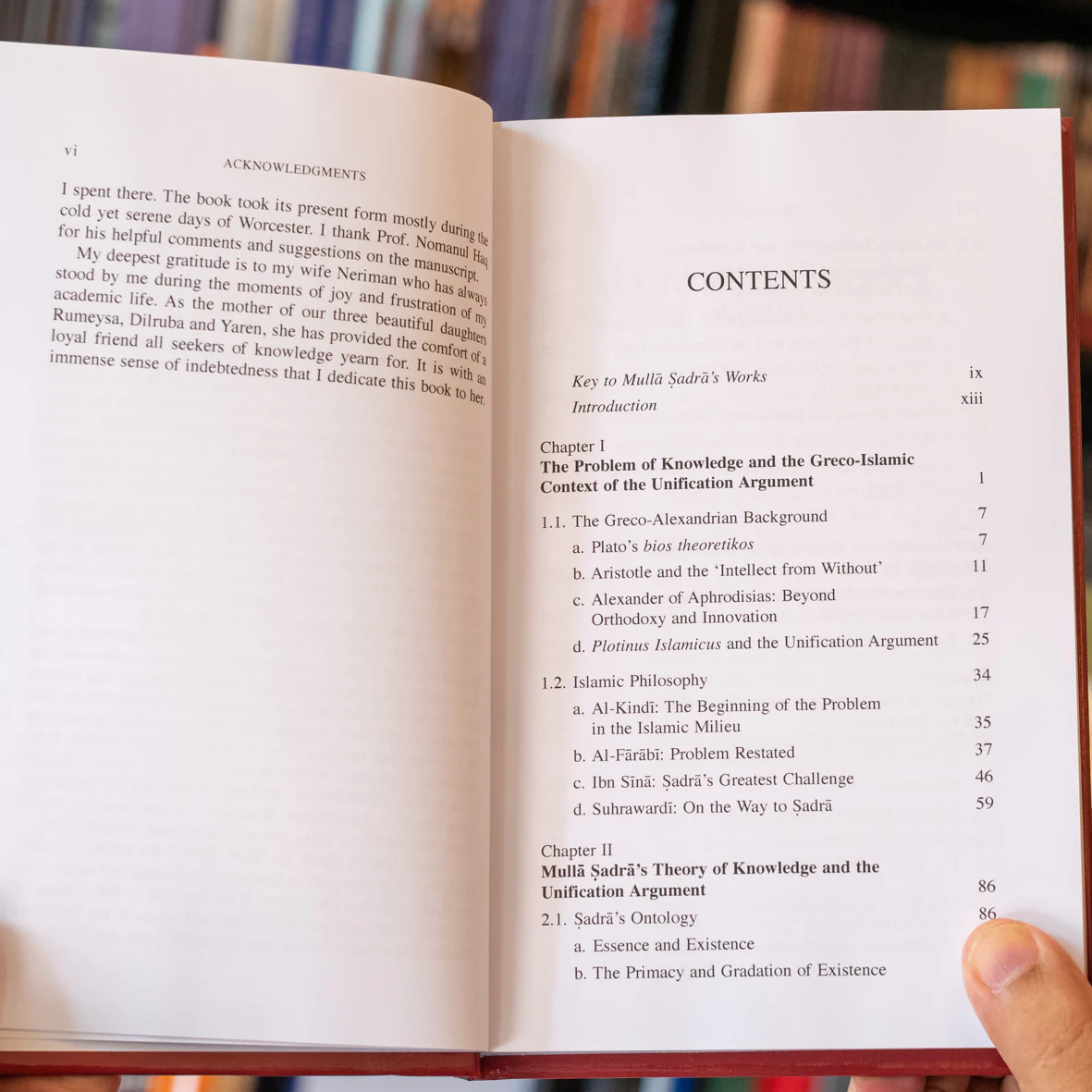
Contents
1. The Problem of Knowledge and the Greco-Islamic Context of the Unification Argument
- The Greco-Alexandrian Background
- Islamic Philosophy
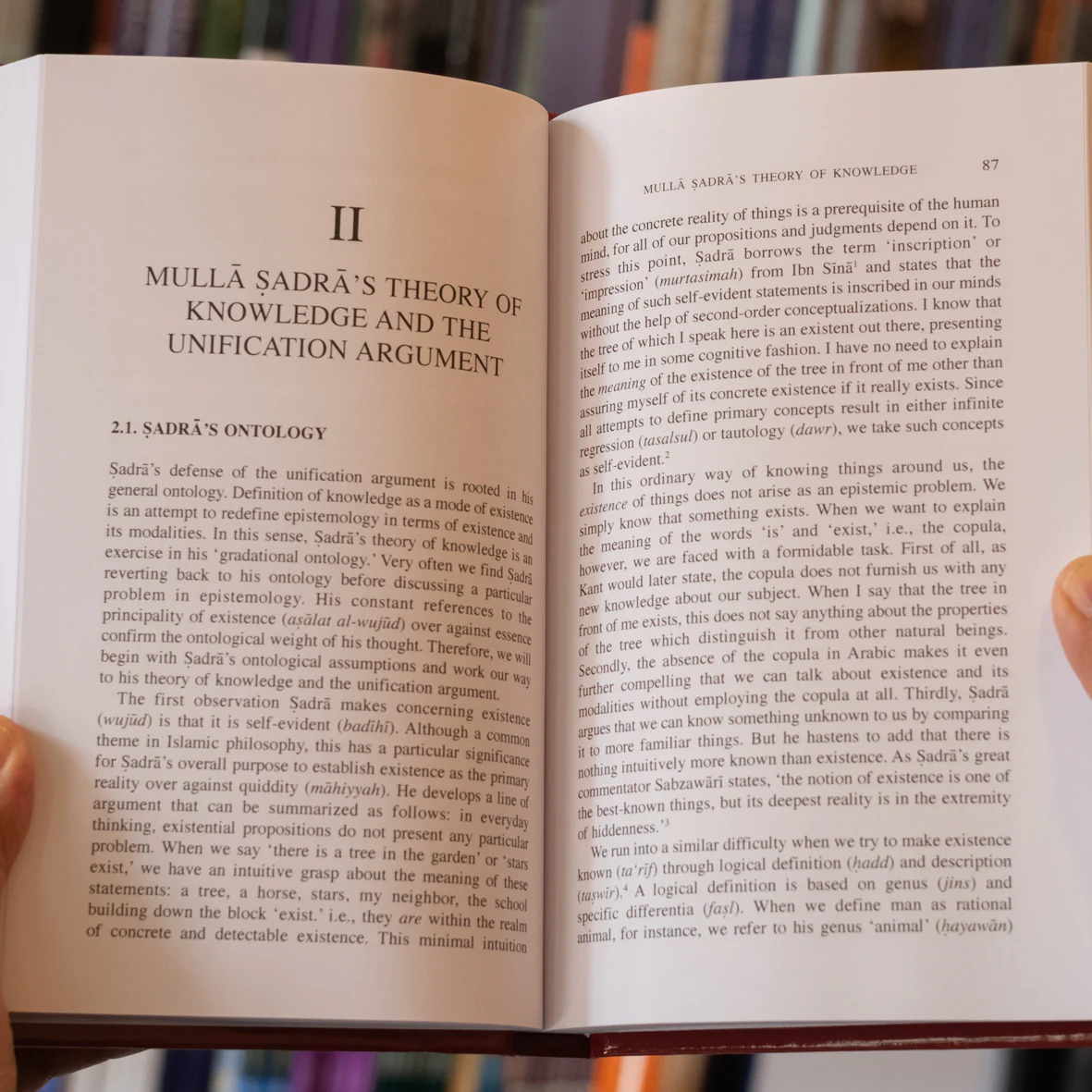
2. Mulla Sadra's Theory of Knowledge and the Unification Argument
- Sadra's Ontology
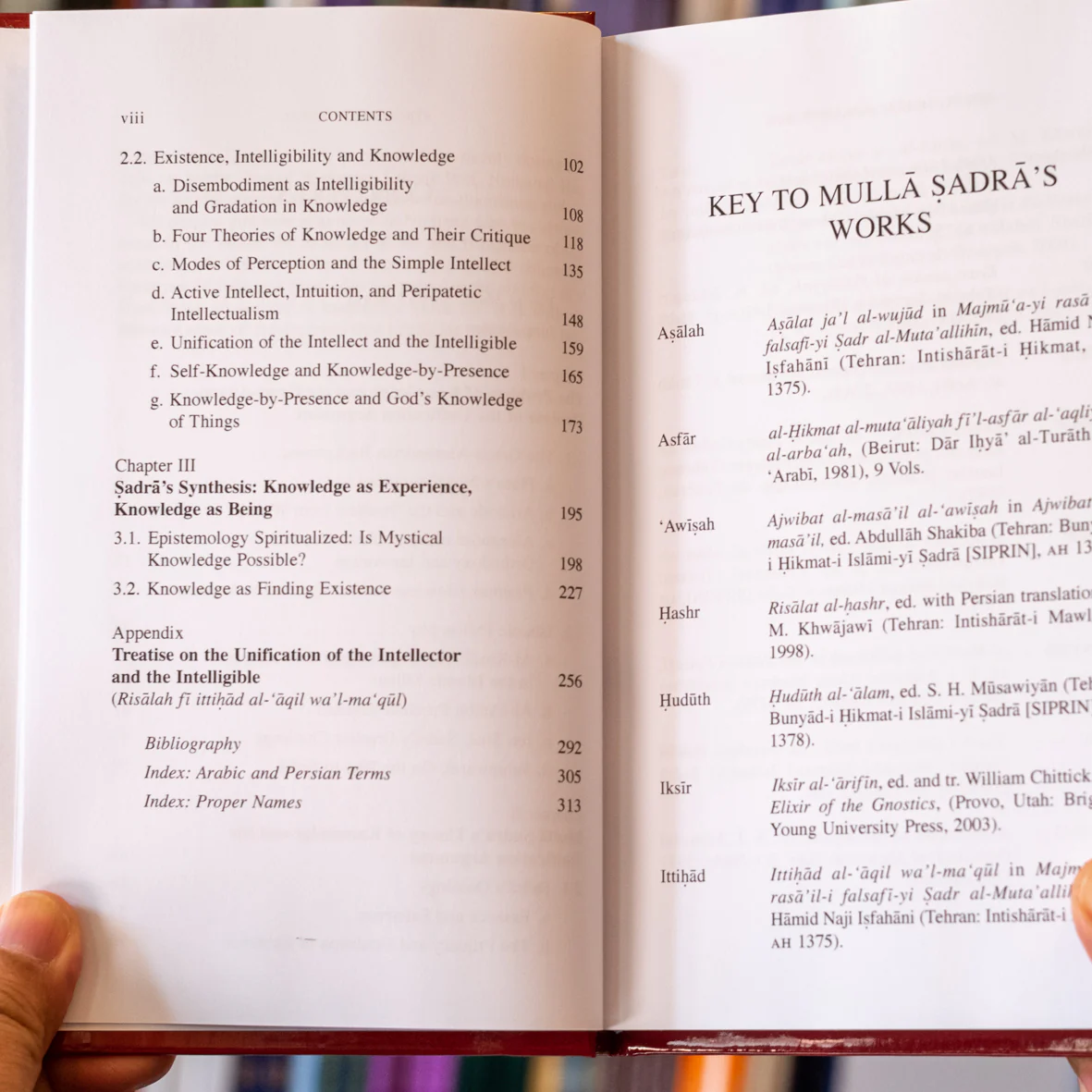
- Existence, Intelligibility and Knowledge
3. Sadra's Synthesis: Knowledge as Experience, Knowledge as Being
- Epistemology Spiritualised: Is Mystical Knowledge Possible?
- Knowledge as Finding Existence
Appendix: Treatise on the Unification of the Intellector and the Intelligible
Product Information
Product Information
Shipping & Returns
Shipping & Returns


Knowledge in Later Islamic Philosophy
Knowledge in Later Islamic Philosophy
Ibrahim Kalin
Hardback, 344 pages
9780199735242
Mulla Sadra on Existence, Intellect, and Intuition
This study looks at how the seventeenth-century philosopher Sadr al-Din al-Shirazi, known as Mulla Sadra, attempted to reconcile the three major forms of knowledge in Islamic philosophical discourses: revelation (Qur'an), demonstration (burhan), and gnosis or intuitive knowledge ('irfan). In his grand synthesis, which he calls the 'Transcendent Wisdom', Mulla Sadra bases his epistemological considerations on a robust analysis of existence and its modalities. His key claim that knowledge is a mode of existence rejects and revises the Kalam definitions of knowledge as relation and as a property of the knower on the one hand, and the Avicennan notions of knowledge as abstraction and representation on the other.
For Sadra, all these theories land us in a subjectivist theory of knowledge where the knowing subject is defined as the primary locus of all epistemic claims. To explore the possibilities of a 'non-subjectivist' epistemology, Sadra seeks to shift the focus from knowledge as a mental act of representation to knowledge as presence and unveiling. The concept of knowledge has occupied a central place in the Islamic intellectual tradition.
Contents
1. The Problem of Knowledge and the Greco-Islamic Context of the Unification Argument
- The Greco-Alexandrian Background
- Islamic Philosophy
2. Mulla Sadra's Theory of Knowledge and the Unification Argument
- Sadra's Ontology
- Existence, Intelligibility and Knowledge
3. Sadra's Synthesis: Knowledge as Experience, Knowledge as Being
- Epistemology Spiritualised: Is Mystical Knowledge Possible?
- Knowledge as Finding Existence
Appendix: Treatise on the Unification of the Intellector and the Intelligible
Original: $115.52
-70%$115.52
$34.66Product Information
Product Information
Shipping & Returns
Shipping & Returns
Description
Ibrahim Kalin
Hardback, 344 pages
9780199735242
Mulla Sadra on Existence, Intellect, and Intuition
This study looks at how the seventeenth-century philosopher Sadr al-Din al-Shirazi, known as Mulla Sadra, attempted to reconcile the three major forms of knowledge in Islamic philosophical discourses: revelation (Qur'an), demonstration (burhan), and gnosis or intuitive knowledge ('irfan). In his grand synthesis, which he calls the 'Transcendent Wisdom', Mulla Sadra bases his epistemological considerations on a robust analysis of existence and its modalities. His key claim that knowledge is a mode of existence rejects and revises the Kalam definitions of knowledge as relation and as a property of the knower on the one hand, and the Avicennan notions of knowledge as abstraction and representation on the other.
For Sadra, all these theories land us in a subjectivist theory of knowledge where the knowing subject is defined as the primary locus of all epistemic claims. To explore the possibilities of a 'non-subjectivist' epistemology, Sadra seeks to shift the focus from knowledge as a mental act of representation to knowledge as presence and unveiling. The concept of knowledge has occupied a central place in the Islamic intellectual tradition.
Contents
1. The Problem of Knowledge and the Greco-Islamic Context of the Unification Argument
- The Greco-Alexandrian Background
- Islamic Philosophy
2. Mulla Sadra's Theory of Knowledge and the Unification Argument
- Sadra's Ontology
- Existence, Intelligibility and Knowledge
3. Sadra's Synthesis: Knowledge as Experience, Knowledge as Being
- Epistemology Spiritualised: Is Mystical Knowledge Possible?
- Knowledge as Finding Existence
Appendix: Treatise on the Unification of the Intellector and the Intelligible