We God's People: Christianity, Islam and Hinduism in the World of Nations
Jocelyne Cesari
Paperback, 200 pages
9781108453745
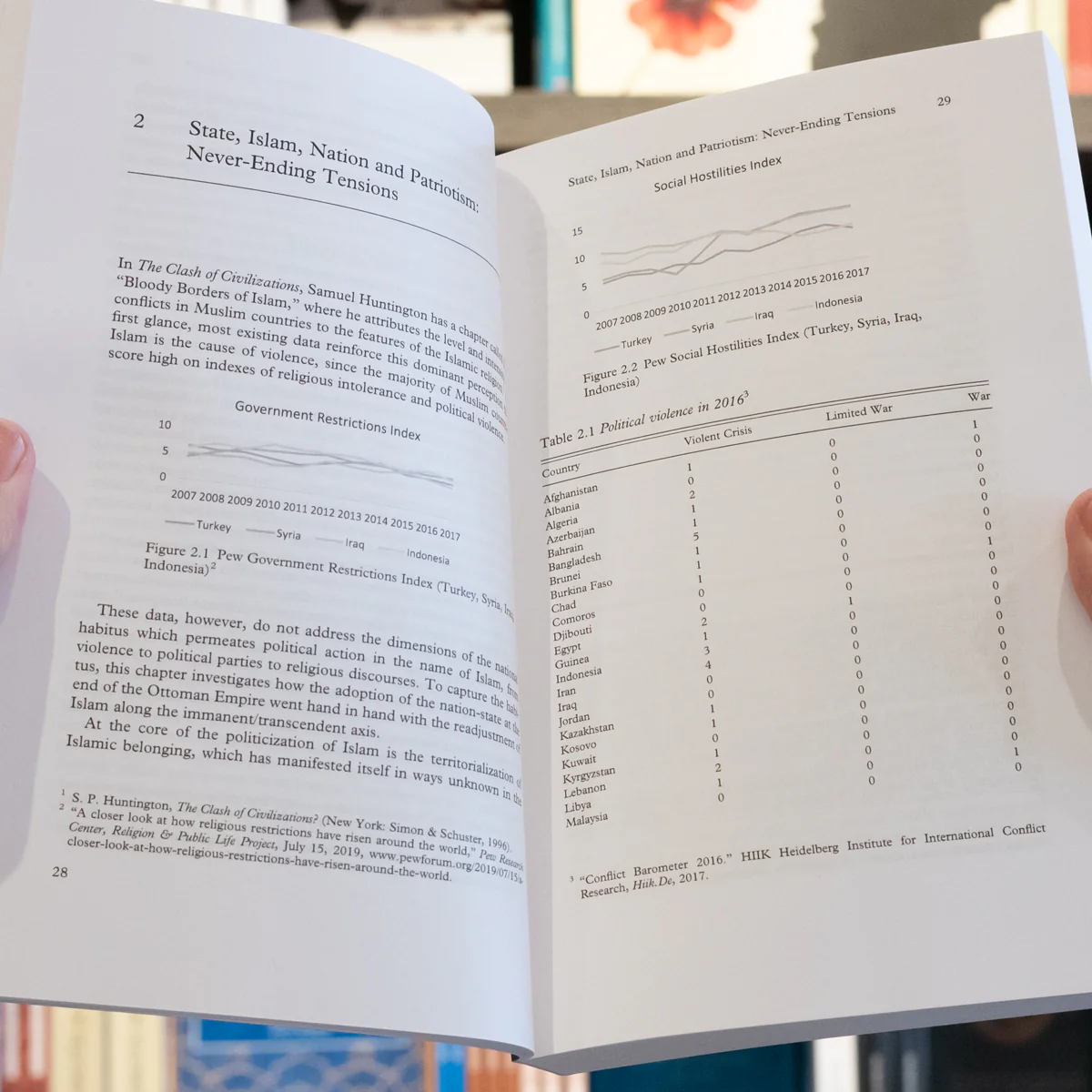
Cesari argues that both religious and national communities are defined by the three Bs: belief, behaviour and belonging. By focusing on the ways in which these three Bs intersect, overlap or clash, she identifies the patterns of the politicization of religion, and vice versa, in any given context. Her approach has four advantages: firstly, it combines an exploration of institutional and ideational changes across time, which are usually separated by disciplinary boundaries.
Secondly, it illustrates the heuristic value of combining qualitative and quantitative methods by statistically testing the validity of the patterns identified in the qualitative historical phase of the research. Thirdly, it avoids reducing religion to beliefs by investigating the significance of the institution-ideas connections, and fourthly, it broadens the political approach beyond state-religion relations to take into account actions and ideas conveyed in other arenas such as education, welfare, and culture.
Product Information
Product Information
Shipping & Returns
Shipping & Returns
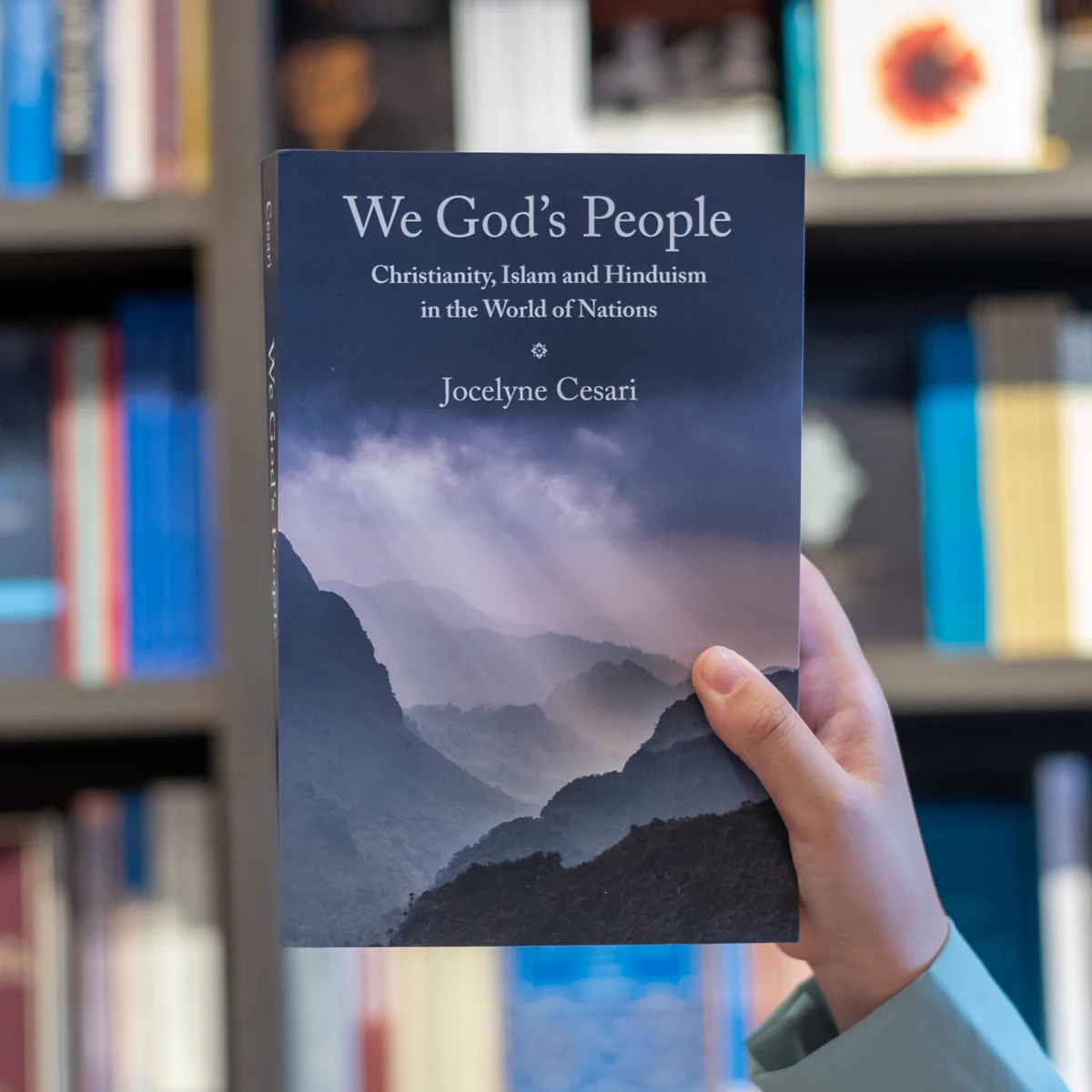
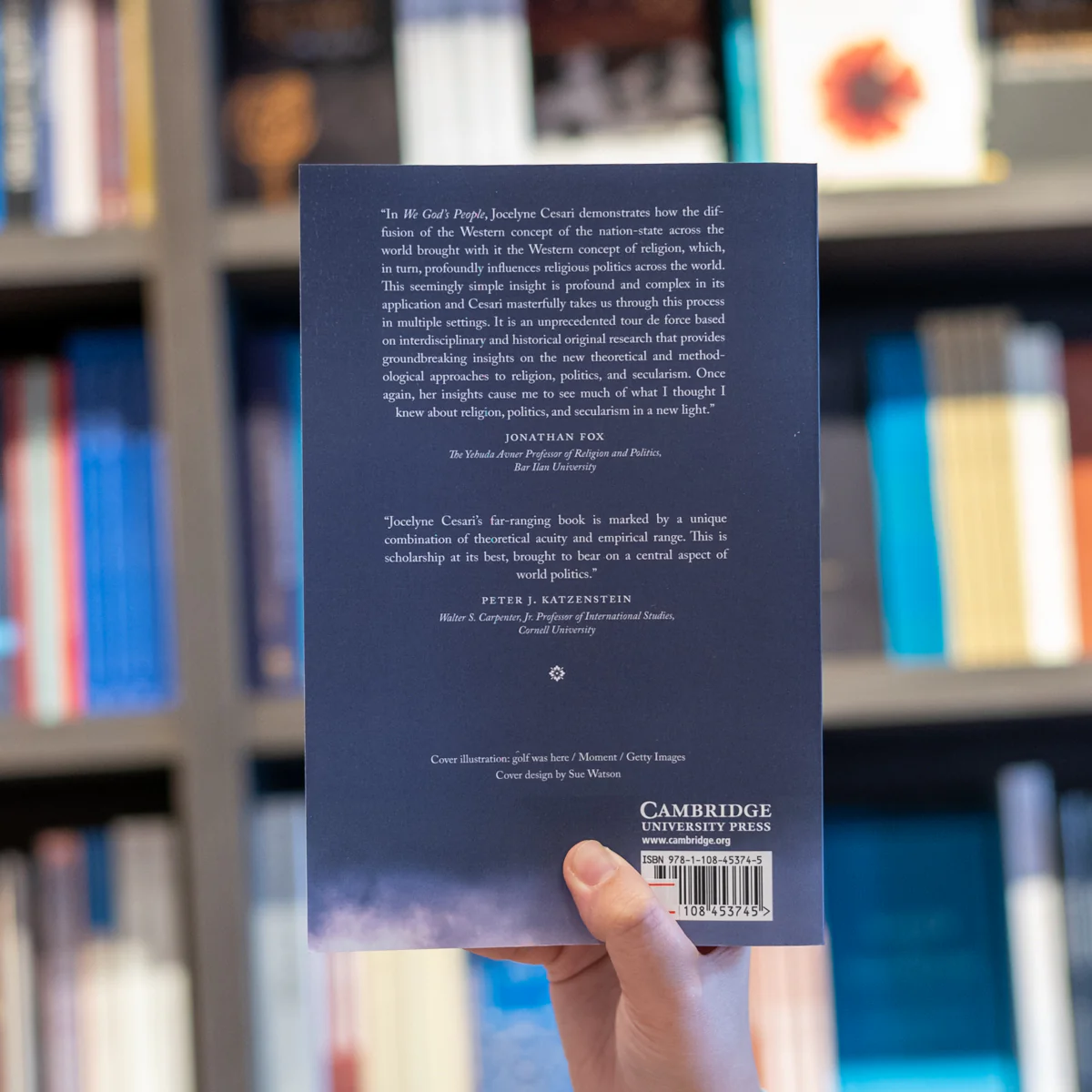
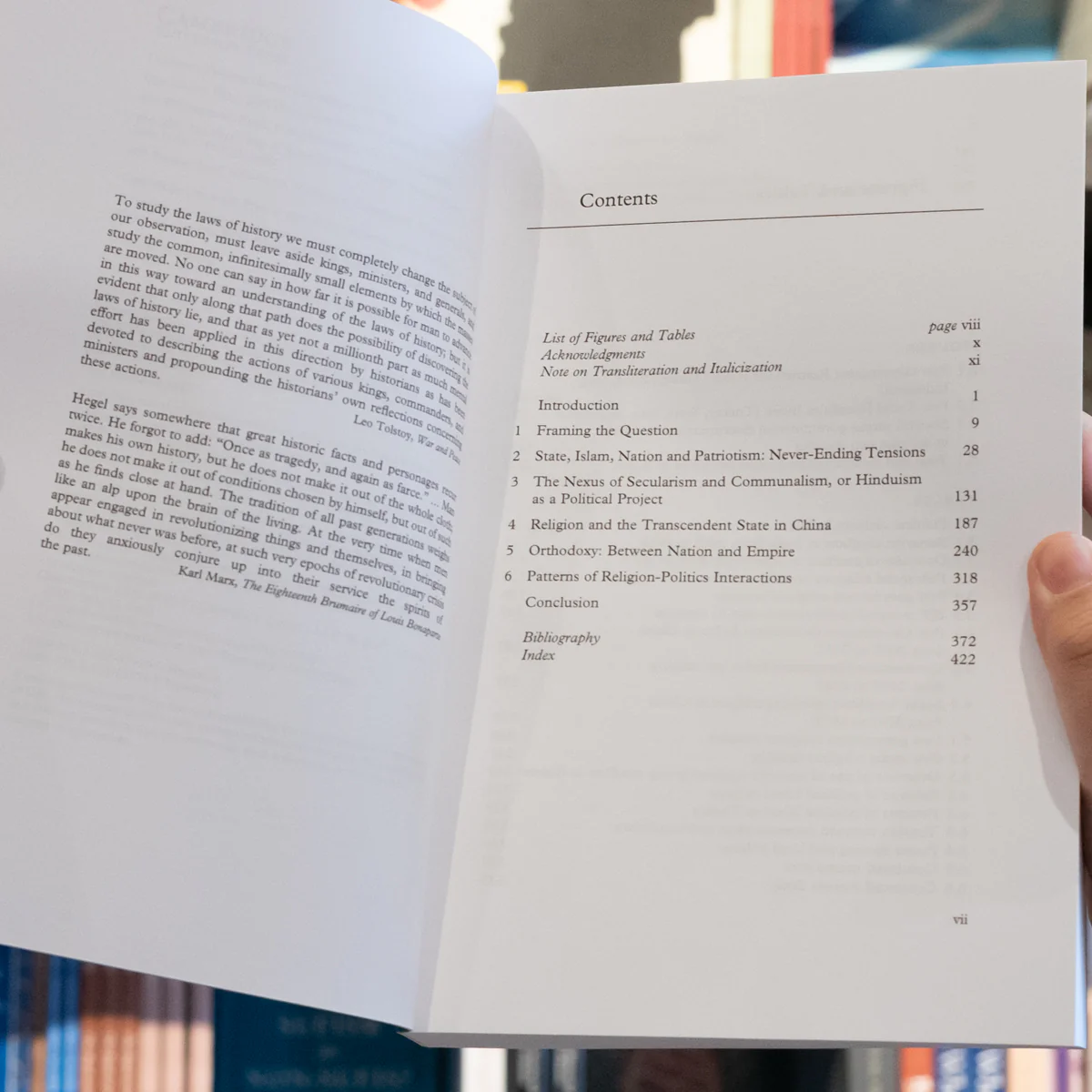
We God's People: Christianity, Islam and Hinduism in the World of Nations
We God's People: Christianity, Islam and Hinduism in the World of Nations
Jocelyne Cesari
Paperback, 200 pages
9781108453745
Cesari argues that both religious and national communities are defined by the three Bs: belief, behaviour and belonging. By focusing on the ways in which these three Bs intersect, overlap or clash, she identifies the patterns of the politicization of religion, and vice versa, in any given context. Her approach has four advantages: firstly, it combines an exploration of institutional and ideational changes across time, which are usually separated by disciplinary boundaries.
Secondly, it illustrates the heuristic value of combining qualitative and quantitative methods by statistically testing the validity of the patterns identified in the qualitative historical phase of the research. Thirdly, it avoids reducing religion to beliefs by investigating the significance of the institution-ideas connections, and fourthly, it broadens the political approach beyond state-religion relations to take into account actions and ideas conveyed in other arenas such as education, welfare, and culture.
Product Information
Product Information
Shipping & Returns
Shipping & Returns
Description
Jocelyne Cesari
Paperback, 200 pages
9781108453745
Cesari argues that both religious and national communities are defined by the three Bs: belief, behaviour and belonging. By focusing on the ways in which these three Bs intersect, overlap or clash, she identifies the patterns of the politicization of religion, and vice versa, in any given context. Her approach has four advantages: firstly, it combines an exploration of institutional and ideational changes across time, which are usually separated by disciplinary boundaries.
Secondly, it illustrates the heuristic value of combining qualitative and quantitative methods by statistically testing the validity of the patterns identified in the qualitative historical phase of the research. Thirdly, it avoids reducing religion to beliefs by investigating the significance of the institution-ideas connections, and fourthly, it broadens the political approach beyond state-religion relations to take into account actions and ideas conveyed in other arenas such as education, welfare, and culture.